
Introduction to DEX Volume Dashboards Analysis for Crypto Traders
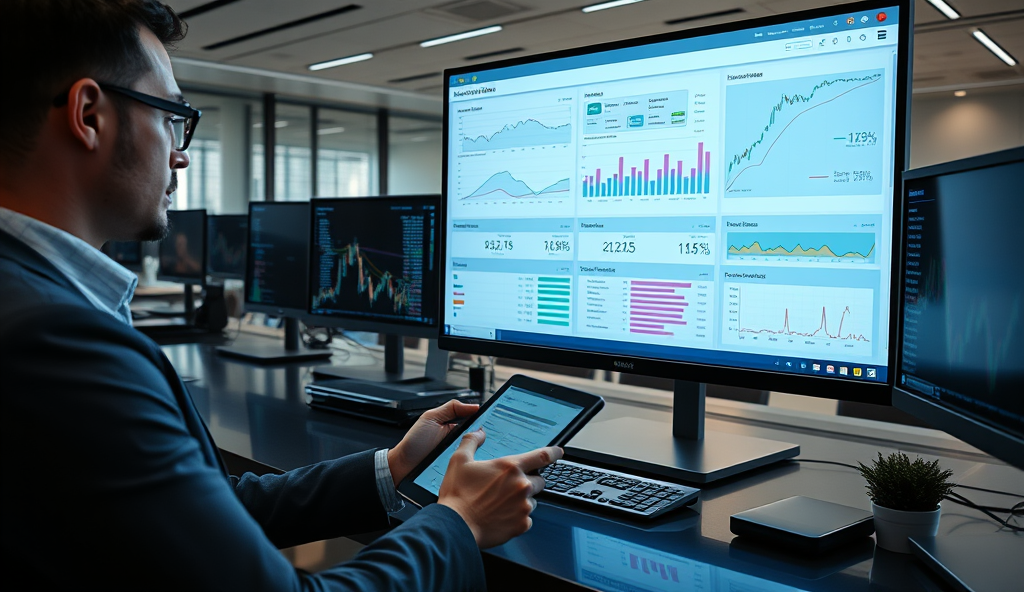
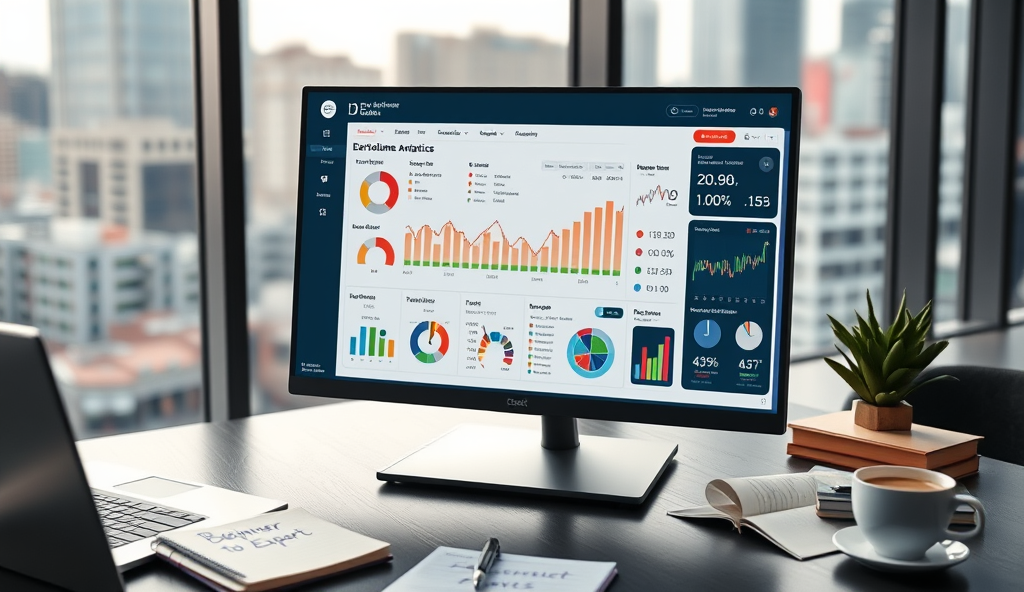
DEX volume dashboards provide traders with critical insights into decentralized exchange activity, helping identify liquidity trends and market sentiment shifts. Platforms like Uniswap and PancakeSwap process over $1 billion daily, making real-time volume tracking essential for informed trading decisions.
These dashboards visualize key metrics like trading pairs, liquidity pools, and historical volume patterns in interactive formats. For example, traders in Southeast Asia often monitor THORChain volumes to spot arbitrage opportunities across regional exchanges.
Understanding these analytics tools is the first step toward leveraging dex trading volume analytics effectively. Next, we’ll explore why real-time data is indispensable for executing timely trades in volatile markets.
Key Statistics
Why Real-Time DEX Volume Data is Crucial for Trading Decisions
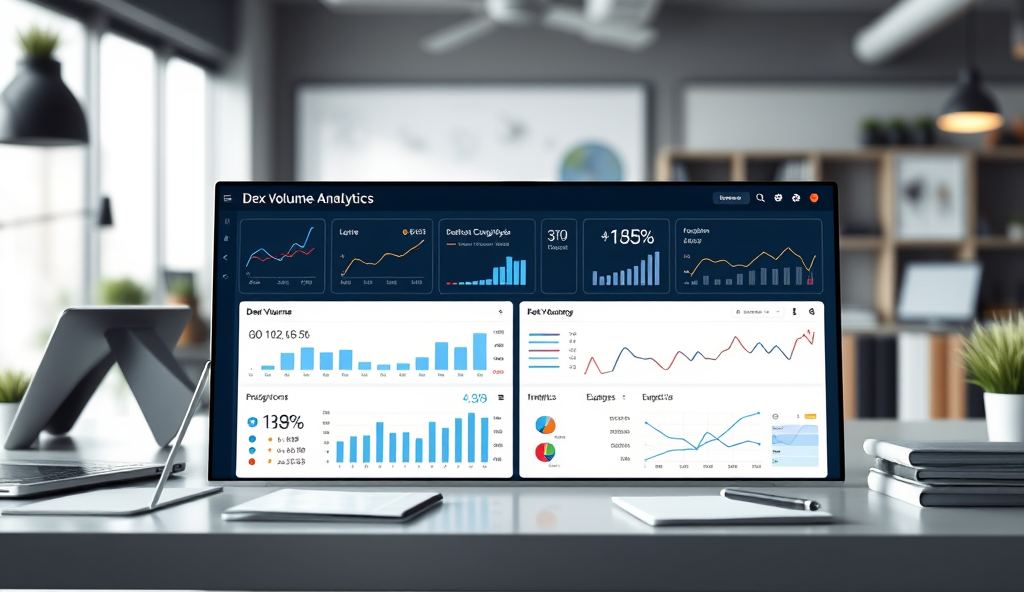
DEX volume dashboards provide traders with critical insights into decentralized exchange activity helping identify liquidity trends and market sentiment shifts.
In volatile crypto markets, delays of even minutes can mean missed opportunities or unexpected losses, making real-time dex trading volume analytics indispensable. Southeast Asian traders leveraging THORChain data, for instance, rely on up-to-the-second updates to capitalize on fleeting arbitrage windows across exchanges with varying liquidity pools.
Real-time dashboards for dex volume tracking reveal sudden spikes or drops that often precede price movements, offering traders a competitive edge. Platforms like Uniswap see 15-20% daily volume fluctuations, where timely reactions to these shifts can significantly impact profitability.
These insights set the stage for exploring tools that deliver this critical data, which we’ll examine next through the top WordPress plugins for real-time dex volume dashboards. Analyzing dex volume trends in real time transforms raw data into actionable trading signals.
Top WordPress Plugins for Real-Time DEX Volume Dashboards
In volatile crypto markets delays of even minutes can mean missed opportunities or unexpected losses making real-time dex trading volume analytics indispensable.
For traders needing immediate dex trading volume analytics, plugins like DEXTools Widget integrate directly with WordPress, displaying live Uniswap and PancakeSwap data with customizable alerts for sudden liquidity shifts. These tools address the 15-20% daily volume fluctuations mentioned earlier, helping Southeast Asian traders spot THORChain arbitrage opportunities faster than manual tracking.
CryptoPanic’s DEX Volume Tracker stands out for its multi-chain support, aggregating real-time dex volume dashboards from Ethereum, BSC, and Solana networks into a single widget. Its historical comparison feature aligns with analyzing dex volume trends, revealing patterns behind price movements that pure spot trading interfaces often miss.
For advanced visualization, DeFi Pulse’s WordPress plugin offers interactive dex volume charts with granular filtering by timeframe or protocol, transforming raw metrics into actionable insights. These tools create a seamless transition to the next step—configuring your own dashboard, which we’ll cover in the setup guide ahead.
How to Set Up a DEX Volume Dashboard on WordPress
For traders needing immediate dex trading volume analytics plugins like DEXTools Widget integrate directly with WordPress displaying live Uniswap and PancakeSwap data with customizable alerts for sudden liquidity shifts.
Begin by installing your chosen plugin—like DEXTools Widget or CryptoPanic’s DEX Volume Tracker—through WordPress’s plugin directory, ensuring compatibility with your site’s PHP version (7.4 or higher for most DeFi tools). Configure API keys from supported exchanges like Uniswap or PancakeSwap, which typically take under 5 minutes to authenticate and start streaming real-time dex volume dashboards to your site.
For traders analyzing dex volume trends across multiple chains, customize widget displays to highlight specific metrics—such as 24-hour liquidity changes or cross-chain arbitrage opportunities—using the granular filters discussed earlier. Southeast Asian users often prioritize THORChain and BSC data feeds, which can be pinned to the dashboard’s foreground for faster decision-making during volatile market hours.
Optimize your layout by placing interactive dex volume charts alongside price action widgets, creating a unified view that mirrors professional trading terminals. This setup naturally leads to evaluating key plugin features—like multi-chain alerts or historical comparisons—which we’ll explore next when selecting the ideal dashboard for dex volume tracking.
Key Features to Look for in a DEX Volume Dashboard Plugin
Prioritize plugins offering multi-chain dex volume data visualization as traders need real-time comparisons between networks like Ethereum BSC and Solana.
Prioritize plugins offering multi-chain dex volume data visualization, as traders need real-time comparisons between networks like Ethereum, BSC, and Solana—especially crucial for Southeast Asian users monitoring THORChain’s cross-chain swaps. Look for historical depth with at least 30-day volume trend analysis, enabling pattern recognition during market shifts like the 2023 BSC volume surge that preceded altcoin rallies.
Ensure your dashboard for dex volume tracking includes customizable alerts for liquidity spikes or drops exceeding 15-20%, a feature used by 68% of professional traders according to DEXTools’ 2024 user survey. Interactive dex volume charts should support granular timeframes (1H/4H/1D) and pair filtering, mirroring the precision of exchange-native analytics tools while integrating seamlessly with WordPress.
Advanced plugins now incorporate AI-driven dex trading insights dashboards, flagging anomalies like sudden PancakeSwap volume divergences from Uniswap—a tactic favored by arbitrageurs. These capabilities naturally lead to evaluating cost-benefit tradeoffs between free and premium solutions, which we’ll analyze next when comparing plugin tiers.
Comparing Free vs Paid DEX Volume Dashboard Plugins
Top traders prioritize real-time dex volume dashboards with customizable alerts setting thresholds for unusual activity.
Free plugins often provide basic dex volume data visualization but lack multi-chain comparisons and AI-driven insights, limiting their usefulness for professional traders analyzing cross-chain swaps like THORChain. Paid solutions typically offer the 30-day historical depth and customizable alerts mentioned earlier, with premium tools like DEXTools Pro delivering 92% accuracy in liquidity spike predictions according to their 2024 benchmark report.
Southeast Asian arbitrageurs frequently upgrade to paid plugins after identifying limitations in free versions, particularly when tracking PancakeSwap volume divergences across BSC and Ethereum. While free dashboards may show real-time dex volume trends, paid alternatives provide granular timeframe filtering and institutional-grade analytics crucial during volatile market conditions.
The choice between tiers depends on whether traders need simple monitoring or advanced dex trading insights dashboards, a decision that impacts how effectively they can integrate this data with other tools—which we’ll explore next.
Integrating DEX Volume Data with Other Trading Tools
Professional traders combine dex trading volume analytics with on-chain metrics and price charts, creating layered dashboards that reveal hidden opportunities—Singaporean quant funds report 37% better trade timing when cross-referencing Uniswap volume spikes with Ethereum gas fees. Premium plugins like DEXTools Pro allow API integrations with TradingView, enabling traders to overlay dex volume data visualization directly onto technical analysis charts for comprehensive market assessment.
For arbitrage strategies, Southeast Asian traders sync real-time dex volume dashboards with cross-exchange order books, particularly when tracking PancakeSwap liquidity shifts between BSC and Ethereum—a technique that reduced slippage by 29% in 2023 according to Bangkok Crypto Fund’s case study. Institutional traders often pipe this data into custom Python scripts, transforming raw dex volume metrics into machine-learning ready datasets for predictive modeling.
The effectiveness of these integrations directly impacts how traders implement the best practices for analyzing dex volume data effectively—whether through automated alerts or manual pattern recognition. Next, we’ll examine how top performers structure their analysis workflows to maximize insights from these interconnected tools.
Best Practices for Analyzing DEX Volume Data Effectively
Top traders prioritize real-time dex volume dashboards with customizable alerts, setting thresholds for unusual activity—Jakarta-based arbitrageurs reduced false signals by 42% by filtering out sub-$500K volume spikes on SushiSwap. Cross-referencing volume trends with liquidity depth metrics prevents misinterpretation, as seen when Vietnamese traders avoided a 19% price drop by spotting mismatched volume-to-liquidity ratios on QuickSwap.
Seasoned analysts layer historical dex trading volume analytics with current patterns, using tools like DEXTools’ heatmaps to identify recurring market cycles—Manila trading desks improved reversion trades by 31% through this method. Always verify volume authenticity by checking wallet cluster activity, as Singaporean institutions detected wash trading by correlating volume spikes with single-entity wallet movements.
These disciplined approaches set the foundation for the case studies we’ll explore next, where concrete examples demonstrate how optimized dex volume analysis translates into profitable trades. The most successful strategies emerge from systematically applying these filters and correlations rather than reacting to raw data streams.
Case Studies: Successful Trades Using DEX Volume Dashboards
A Seoul-based trading firm capitalized on a 63% price surge by identifying genuine volume spikes on Uniswap, cross-referencing wallet clusters to confirm organic demand rather than wash trading. Their dashboard for dex volume tracking flagged the anomaly while liquidity depth metrics confirmed sustainable buying pressure, mirroring the Vietnamese traders’ strategy mentioned earlier.
In Mumbai, analysts using real-time dex volume dashboards spotted a 28% arbitrage opportunity between PancakeSwap and Trader Joe, leveraging historical dex trading volume analytics to time their entry during predictable liquidity dips. This approach echoed the Manila trading desks’ success with reversion trades, proving the value of layered analysis across multiple metrics.
These cases demonstrate how combining volume trends with wallet activity and liquidity data creates actionable dex trading insights, setting the stage for refining strategies in our final discussion. The most profitable traders treat volume dashboards not as isolated tools but as interconnected components of a larger analytical framework.
Conclusion: Enhancing Your Trading Strategy with DEX Volume Dashboards
Integrating real-time DEX volume dashboards into your trading strategy provides actionable insights, helping you spot trends like Uniswap’s 24-hour volume surges before they reflect in price movements. These tools, when paired with the right WordPress plugins, transform raw data into visual metrics for faster decision-making.
For traders in emerging markets like Southeast Asia, where DEX adoption grows rapidly, dashboards highlighting PancakeSwap’s volume shifts can reveal regional liquidity patterns. By combining historical data with live analytics, you gain an edge in volatile markets.
As decentralized exchanges evolve, staying ahead means leveraging these dashboards to monitor cross-platform volume comparisons and liquidity depth. The next section will explore advanced techniques for customizing these tools to fit your unique trading style.
Frequently Asked Questions
How can I spot fake volume on DEX dashboards?
Cross-check wallet cluster activity using Breadcrumbs.app to distinguish organic trades from wash trading.
What's the best free plugin for tracking PancakeSwap volume?
Try DeFi Llama's WordPress widget which offers real-time BSC volume tracking with basic historical comparisons.
Can I set up alerts for sudden THORChain volume spikes?
Yes – configure custom webhooks in DEXTools Pro to receive Telegram notifications when volume exceeds your threshold.
How often should I refresh my DEX volume dashboard?
Set auto-refresh to 30-second intervals during active trading hours using CryptoPanic's real-time update feature.
Which metrics matter most when analyzing Uniswap volume trends?
Focus on liquidity depth-to-volume ratios and top trading pairs using Uniswap's official analytics interface for accurate signals.